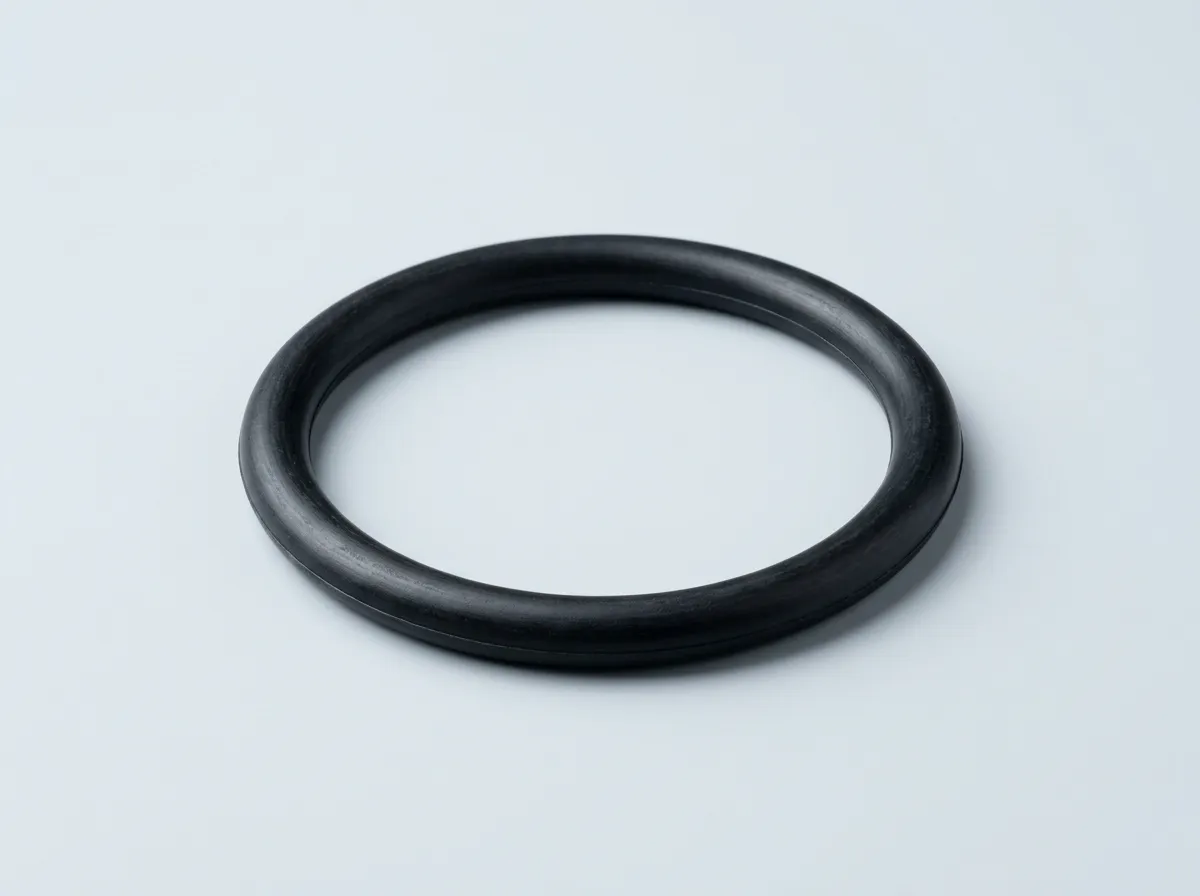
Representative image of o-rings
Representative image

O-Rings

O-rings are seamless elastomeric rings with a round cross-section that compress inside a designed groove. They form simple bidirectional barriers for liquids or gases in static joints and selected dynamic duties, with compound choice determining compatibility with the fluid, temperature, motion and surrounding environment.

Key facts

Common types
ISO 3601 metric, AS568 inch, JIS sizes, BS sizes, Custom moulded sizes
Materials
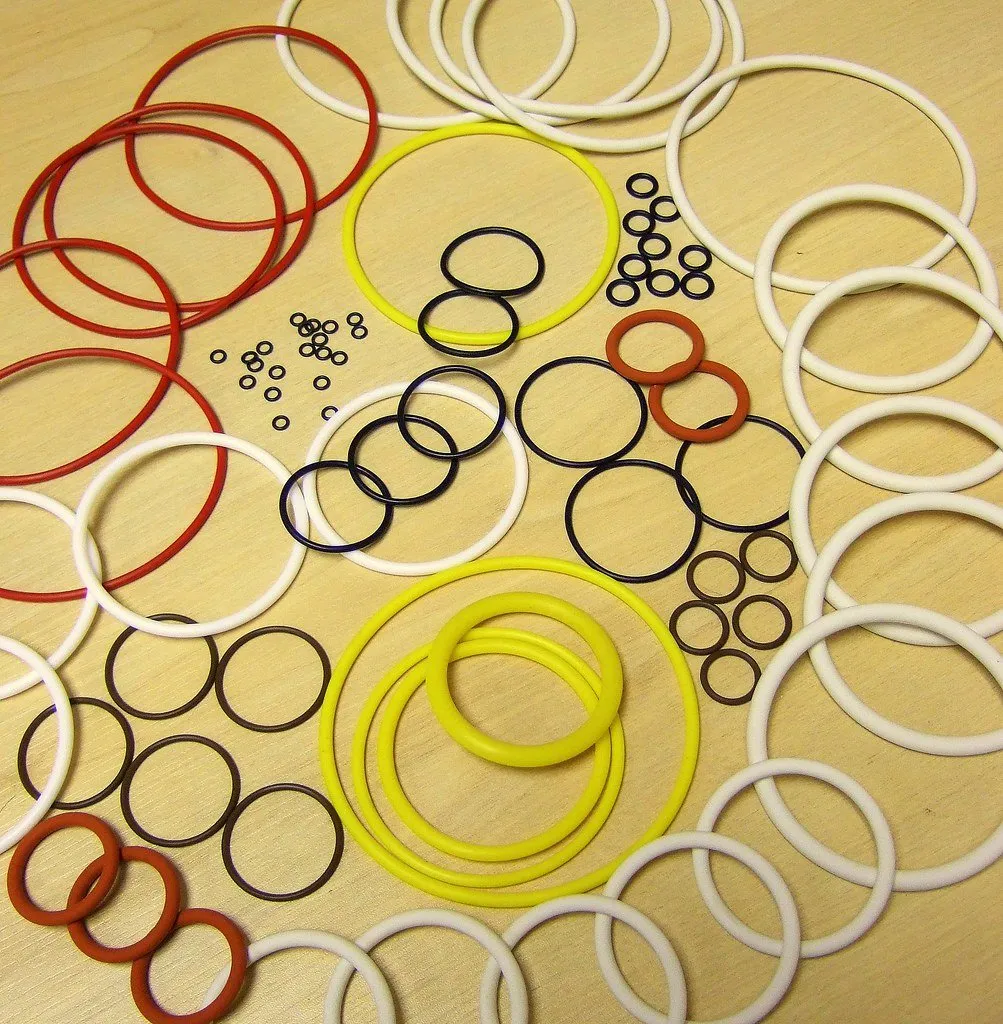
NBR, FKM (fluoroelastomer), EPDM, Silicone, HNBR, PTFE-encapsulated elastomer
Used in
Hydraulic manifolds, Valves, Pipe couplings, Gearboxes, Pumps, Automotive assemblies
Types

  • ISO 3601 metric
  • AS568 inch
  • JIS sizes
  • BS sizes
  • Custom moulded sizes

Materials

Applications

  • Hydraulic manifolds
  • Valves
  • Pipe couplings
  • Gearboxes
  • Pumps
  • Automotive assemblies

What to send for a quote

  • inside diameter
  • cross-section
  • material
  • hardness
  • size standard

Questions about o-rings

What should I send to identify o-rings?

Send inside diameter, cross-section, material, hardness, size standard. Measure an unstretched ring and the groove, because used elastomer may swell, shrink or develop a flattened section. A clear photograph, drawing or readable reference can resolve details that dimensions alone do not show.

How should I select o-rings?

Select the compound from fluid, temperature, pressure, motion, exposure and required compression behaviour. Confirm the mating parts and operating environment before ordering, since an apparently similar size can use a different profile, material or internal arrangement.

Last updated: