Pneumatic Seals
Pneumatic seals contain compressed air while keeping friction low in cylinders and valves. The family includes rod, piston, wiper, cushioning and spool profiles, plus matched kits for actuator servicing.
6 products
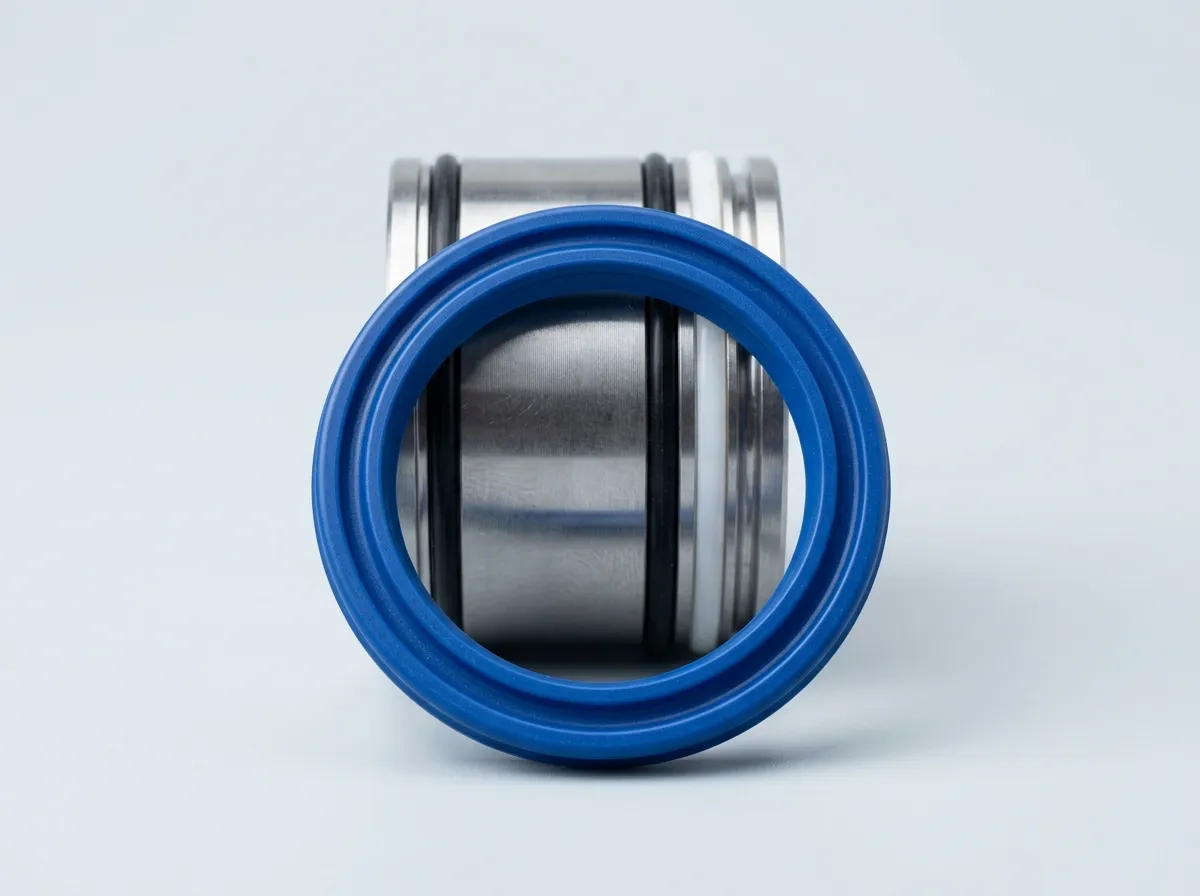
Browse pneumatic seals
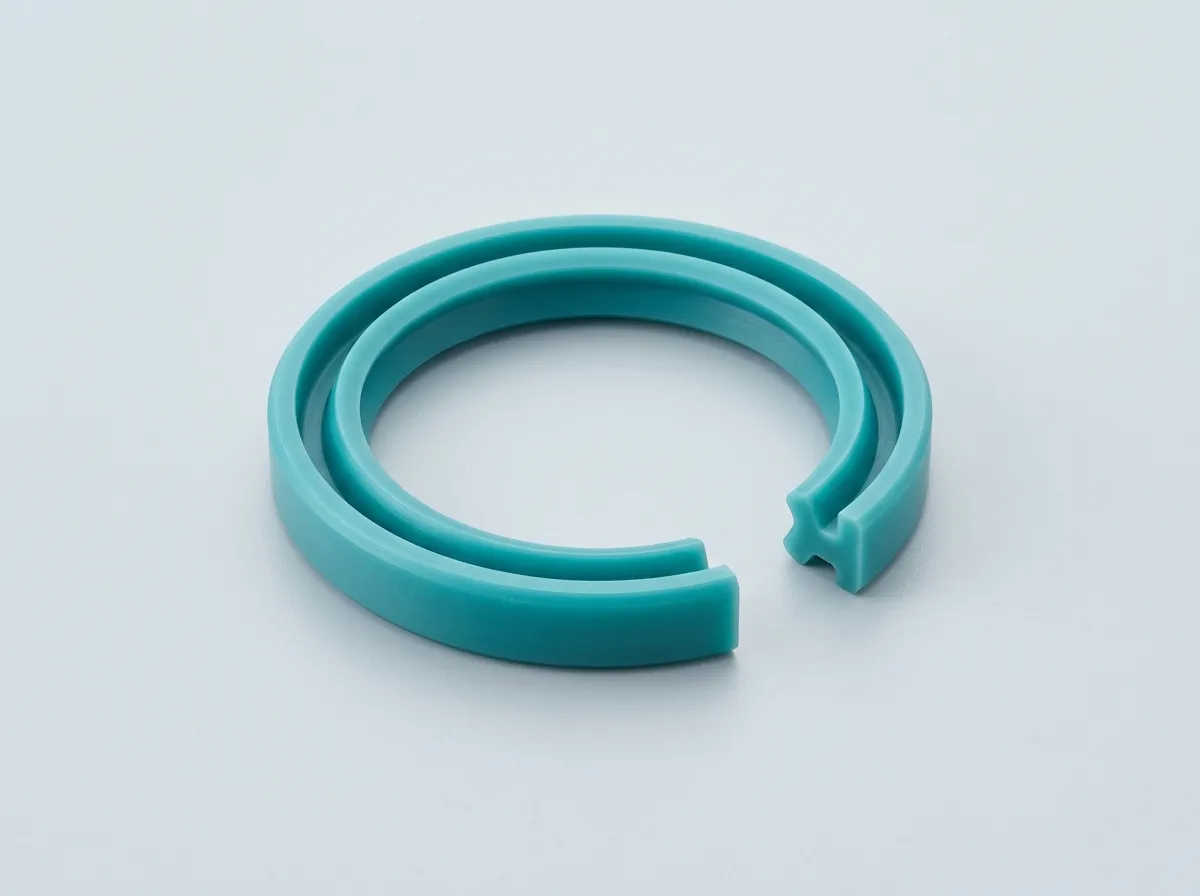 Pneumatic Rod SealsPneumatic rod seals are low-friction dynamic seals fitted in an air cylinder end cap around the moving rod. Pneumatic Piston SealsPneumatic piston seals are dynamic profiles that separate the working chambers on an air cylinder piston.
 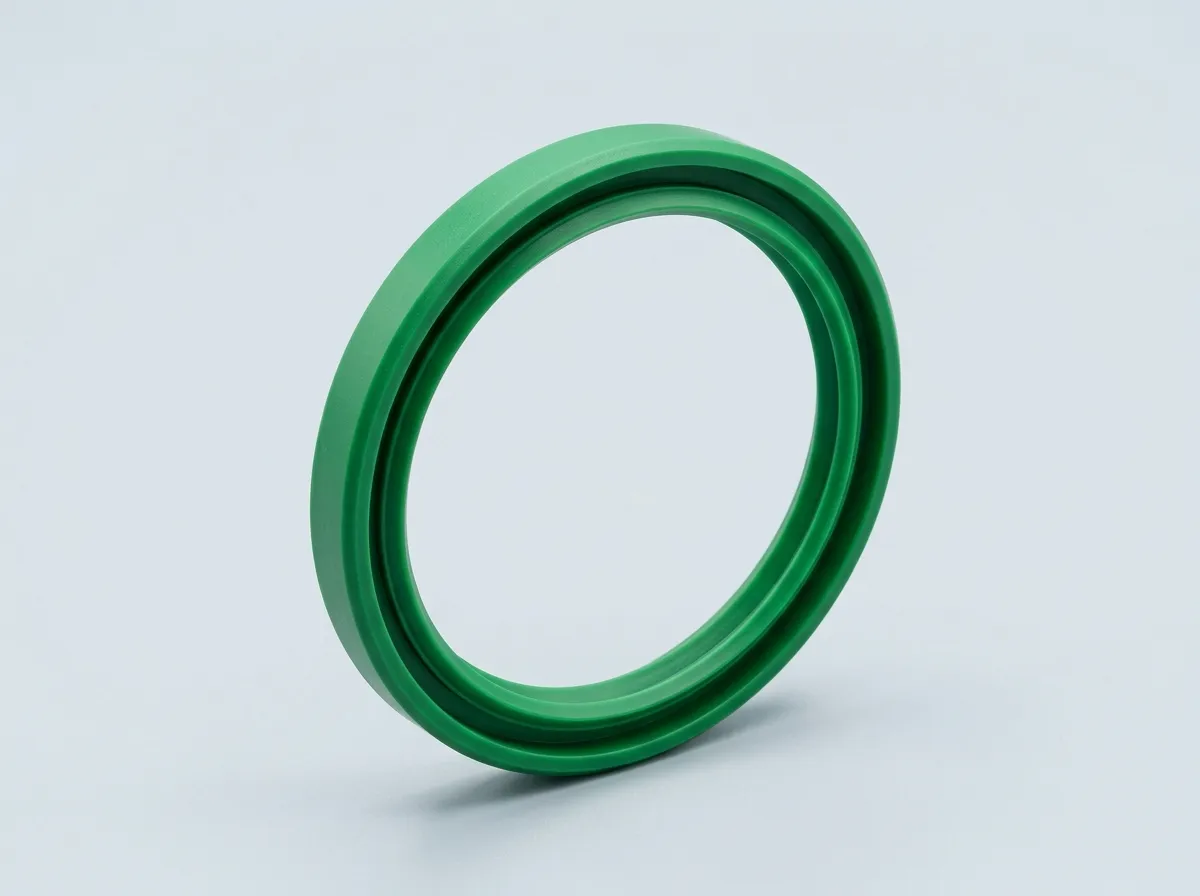 Pneumatic Combination Rod-Wiper SealsA pneumatic combination rod-wiper seal is a compact profile that joins an inward pressure lip with an outward dirt-scraping lip. Pneumatic Cushioning SealsA pneumatic cushioning seal is an end-cap profile that seals around a cushion spear as a cylinder approaches the end of stroke. Pneumatic Valve & Spool SealsPneumatic valve and spool seals are compact low-friction elements that separate air passages in directional valves, regulators and manifolds. Pneumatic Cylinder Seal KitsPneumatic cylinder seal kits are coordinated sets of rod, piston, cushioning, static and guide elements for servicing a specific air actuator.
 Questions about pneumatic seals
What makes a pneumatic seal different from a hydraulic seal?
Pneumatic profiles are designed around compressed air, light lubrication and low breakaway friction. Hydraulic seals usually face denser fluids and different pressure behaviour. A profile should not be substituted only because its dimensions match, since lip geometry and compound response also affect movement and leakage.
Can pneumatic seals run with dry compressed air?
Some low-friction polyurethane, NBR and PTFE profiles are intended for non-lubricated air, but suitability depends on the actuator design and air quality. State whether an airline lubricator is used, and check the rod finish, moisture, contamination and cycling pattern before selecting a compound.
What should I inspect during a pneumatic cylinder rebuild?
Check the rod and bore for scoring, the guide elements for wear, and the ports for contamination. Confirm every groove dimension and install lips in the correct pressure direction. Use compatible assembly lubricant sparingly, because excess grease can obstruct small valve and cushioning passages.