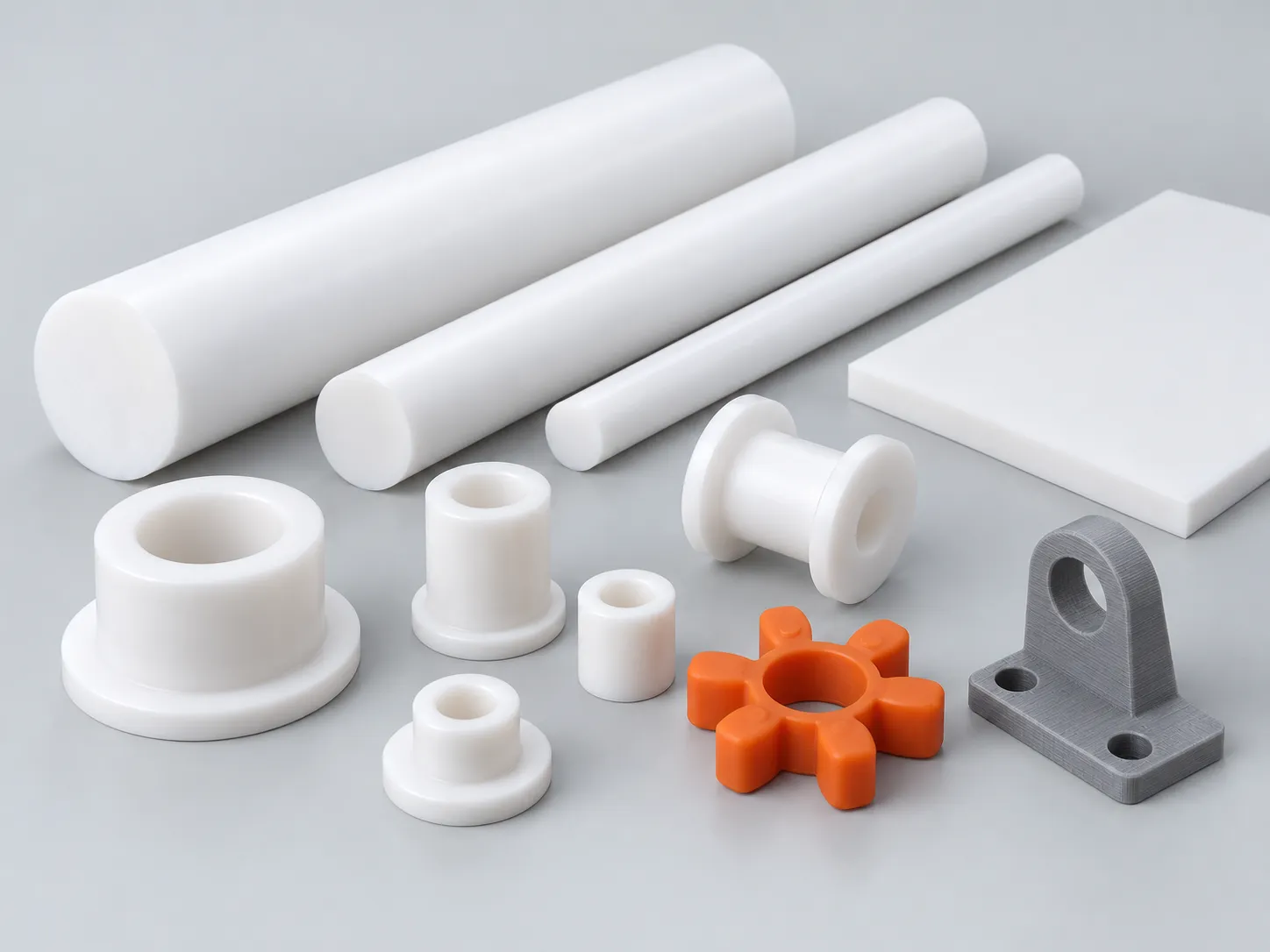
Representative image of polyurethane coupling elements
Representative image

Polyurethane Coupling Elements

Polyurethane coupling elements are resilient inserts fitted between the interlocking hubs of flexible couplings. Star and lobe shapes transmit torque through compression, absorb shock and reduce torsional vibration while allowing limited shaft misalignment, with hardness and geometry determining the element response.

Key facts

Common types
Curved-jaw spider, Straight-jaw spider, Open-centre spider, Solid-centre spider, Interlocking element
Materials
Cast polyurethane, Thermoplastic polyurethane, Polyether polyurethane
Used in
Motor-pump sets, Air compressors, Conveyors, Machine tools, Hydraulic power packs
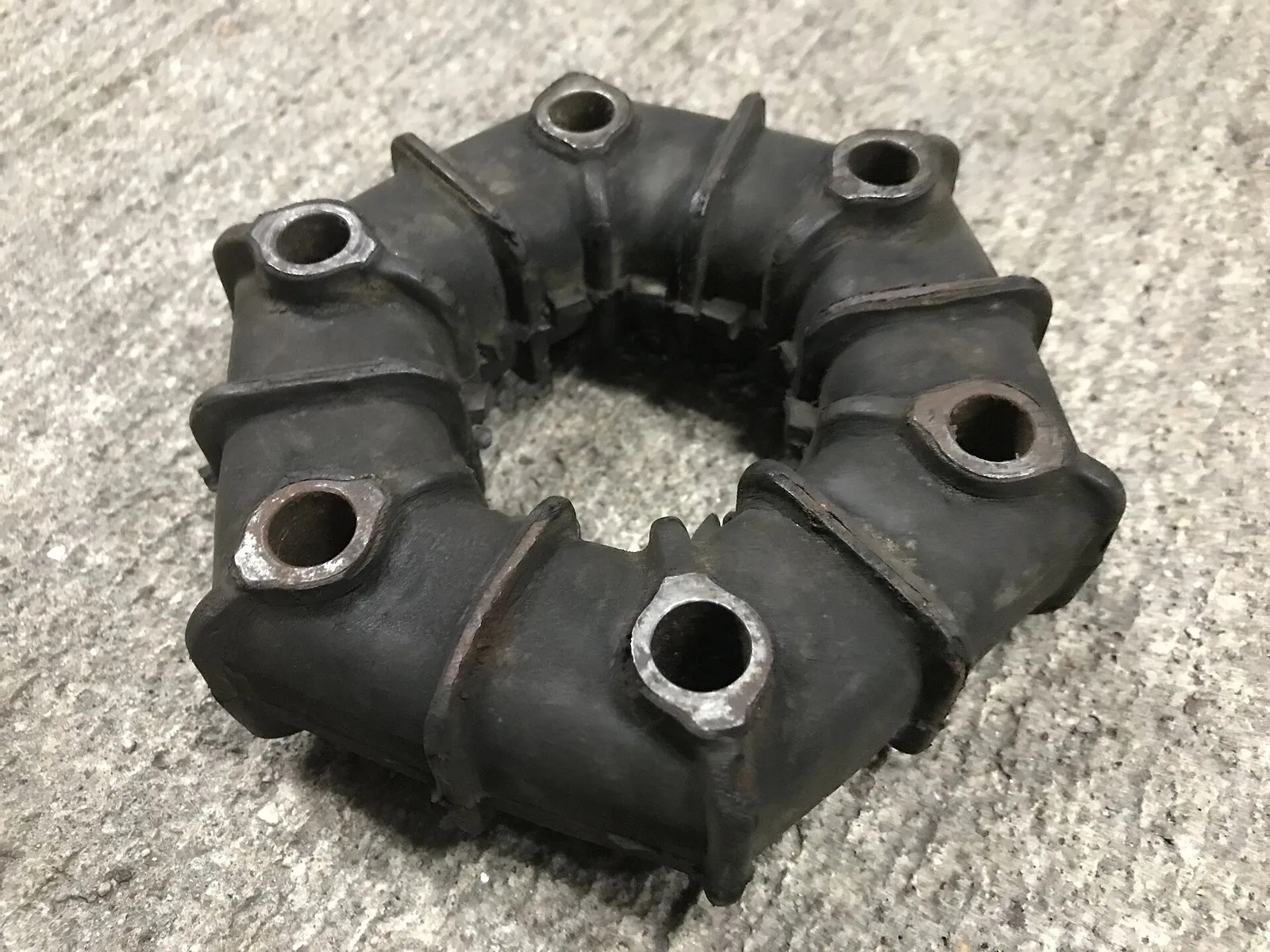
Types

  • Curved-jaw spider
  • Straight-jaw spider
  • Open-centre spider
  • Solid-centre spider
  • Interlocking element

Materials

Applications

  • Motor-pump sets
  • Air compressors
  • Conveyors
  • Machine tools
  • Hydraulic power packs

What to send for a quote

  • coupling size
  • lobe count and shape
  • outside and centre diameters
  • element width
  • hardness and duty

Questions about polyurethane coupling elements

What should I send to identify polyurethane coupling elements?

Send coupling size, lobe count and shape, outside and centre diameters, element width, hardness and duty. Do not identify hardness by colour alone; provide markings, dimensions and the coupling hub arrangement. A clear photograph, drawing or readable reference can resolve details that dimensions alone do not show.

How should I select polyurethane coupling elements?

Match geometry and hardness to coupling hubs, torque, speed, shock, temperature, chemicals and desired vibration damping. Confirm the mating parts and operating environment before ordering, since an apparently similar size can use a different profile, material or internal arrangement.

Last updated: